
Published
- 3 min read
Would NFL players take a test that could diagnose CTE...
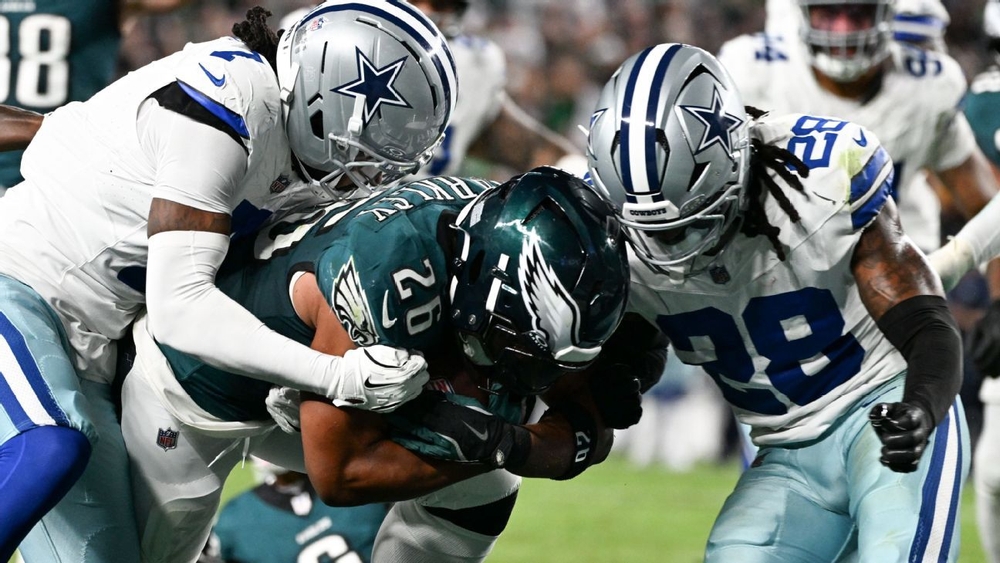
The Emerging Landscape: CTE Diagnosis and NFL’s Dilemma
The ongoing scientific pursuit to diagnose Chronic Traumatic Encephalopathy (CTE) in living individuals represents a potential watershed moment for professional football. Currently, definitive CTE diagnosis is only possible post-mortem. A breakthrough in live diagnosis would force an unprecedented reckoning for NFL players and the league itself.
Such a test would shift the paradigm from managing symptoms to directly assessing neurological damage, presenting players with a stark choice: to know or not to know. This decision carries immense personal, financial, and career implications, fundamentally altering the risk-reward calculus of an NFL career.
Key Facts & Potential Implications
Current CTE Understanding
- Prevalence: Research, notably from Boston University, indicates a high prevalence of CTE among former NFL players. A study found CTE in 345 of 376 (91.7%) former NFL players examined post-mortem.
- Symptoms: CTE is associated with a range of debilitating symptoms, including memory loss, impulsive behavior, aggression, depression, and progressive dementia.
- Legal & Financial Impact: The NFL’s $1 billion-plus concussion settlement underscores the league’s acknowledgment of the long-term health consequences of head trauma and the significant financial liability involved.
The Hypothetical Live Test’s Impact
- Player Choice & Uncertainty: If available, a live diagnostic test would force individual players to weigh the desire for information against potential career cessation, loss of income, and profound psychological distress from a positive diagnosis.
- Team Management: NFL teams would face significant challenges in roster construction and salary cap management if players were diagnosed mid-career. Decisions regarding player retention, draft strategy, and injury reserves would be fundamentally altered.
- Scientific Progress: Significant research efforts are focused on identifying biomarkers for CTE, such as specific tau proteins and advanced imaging techniques, with breakthroughs potentially emerging within the next decade.
Player & League Standings: A Future Reckoning
Player Spotlight: The Individual Conundrum
- Risk-Reward Re-evaluation: Players currently balance physical risks with substantial financial rewards and a drive for competitive excellence. A live CTE diagnosis would make this equation tangible and immediate, potentially forcing early retirements.
- Career Trajectories: A positive diagnosis could truncate a player’s career, impacting their legacy and long-term financial security. Conversely, a negative result might offer immense relief and prolong playing time.
- Mental Health Implications: The psychological burden of knowing one has a progressive neurodegenerative disease, or the anxiety associated with testing, would demand robust mental health support systems.
League Impact & Future Standings
- Roster Dynamics: Teams would require new protocols for handling players with diagnosed CTE, influencing draft decisions, player development, and cap management. The availability of such data could lead to more cautious investment in high-contact positions.
- Public Trust & Transparency: The NFL’s response to a live CTE test – its support for players, transparency, and data handling – would be critical for maintaining public trust and player relations.
- Rule Changes & Player Safety: The existence of a live diagnostic tool would intensify pressure for further safety reforms, including stricter rule enforcement against head contact, equipment advancements, and potentially fundamental alterations to game play (e.g., changes to kickoff rules, expanded targeting penalties). The league’s “standing” hinges on its capacity to adapt and prioritize player welfare while sustaining the sport’s competitive integrity and appeal.
- Talent Pool Concerns: In an extreme scenario, widespread positive diagnoses could lead to a decline in participation at youth levels and a smaller talent pool entering the professional ranks, fundamentally impacting the sport’s future.
Sponsored Links Adsterra