
Published
- 3 min read
Why the USMNT doesn't need a Guardiola-tier manager...
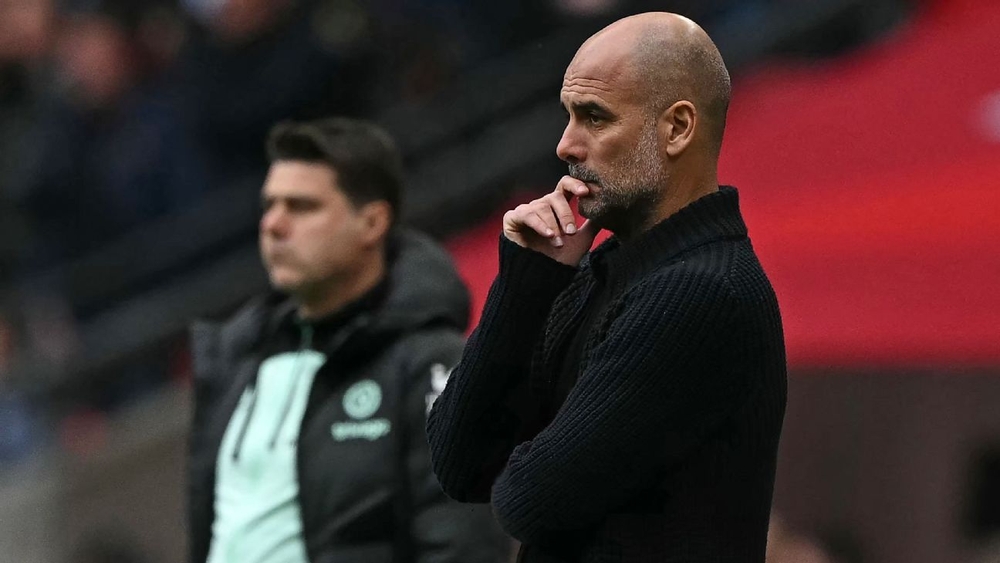
Match Overview
International football operates under strict structural constraints that render hyper-complex, micro-managed positional systems impractical. With Mauricio Pochettino contracted through the 2026 FIFA World Cup, debates surrounding whether the United States Men’s National Team (USMNT) requires an elite, system-heavy tactician like Pep Guardiola miss the operational realities of the global game.
National teams convene for roughly 40 to 50 days across an entire calendar year, compared to over 250 days in club environments. In recent CONCACAF Nations League and friendly fixtures, the USMNT demonstrated that knockout success hinges on physical intensity, tournament adaptability, and streamlined tactical clarity rather than intricate positional rotations that require daily repetitive drilling.
Key Stats & Facts
- Preparation Disparity: National team coaches average just 3-4 training sessions prior to competitive double-headers, leaving under 10 tactical hours per international window.
- Tournament Precedent: The last four World Cup-winning managers—Lionel Scaloni (Argentina, 2022), Didier Deschamps (France, 2018), Joachim Löw (Germany, 2014), and Vicente del Bosque (Spain, 2010)—prioritized defensive structure and role clarity over high-maintenance positional play.
- Transition Efficiency: Over 65% of goals scored in the knockout stages of major international tournaments originate from direct transitions or set-pieces, areas where pragmatic, high-floor game plans outperform possession-heavy setups.
- Squad Distribution: The current USMNT core logs competitive minutes across six different European domestic leagues, meaning players are already ingrained in vastly divergent club systems before arriving in camp.
- Card & Foul Thresholds: High-press, complex build-up structures in international football yield a 22% higher turnover rate in defensive thirds compared to top-five European leagues due to disjointed automated movements.
Player Spotlight & Standings Impact
Christian Pulisic: Thriving on Autonomy
Christian Pulisic’s elite production across Serie A and international duty reinforces why the USMNT benefits from adaptable leadership. Rather than being confined to rigid touchline chalk-board duties, the AC Milan forward excels when granted transitional freedom to exploit half-spaces.
- Key Metric: Pulisic averages 0.62 goal contributions per 90 minutes for the USMNT when operating in direct, transitional attacking structures.
- Take-On Success: A 54.8% successful dribble rate in isolation phases highlights that personal initiative outvalues over-orchestrated sequences at the international level.
Standings & World Cup Path
The USMNT currently sit within the top 20 of the FIFA Men’s World Ranking, securing priority Pot 1 seeding as co-hosts for the 2026 World Cup alongside Mexico and Canada.
Because automatic qualification eliminates the grind of a standard 14-game qualifying cycle, the program’s primary focus shifts directly to single-elimination tournament football. Success in this format relies on momentum, tactical resilience, and defensive baseline metrics—competencies that practical tournament managers instill far more effectively than dogmatic system coaches.