
Published
- 4 min read
VAR review: Why were Croatia denied an equalizer d...
Introduction
The 2018 FIFA World Cup Final between France and Croatia was a thrilling encounter that will be etched in the memories of football fans for a long time. The match was decided by a 4-2 victory for France, with Croatia’s Mario Mandzukic scoring the lone goal for the Croatian side. However, the scoreline could have been different had Croatia been awarded an equalizer in the 18th minute of the match. The question on everyone’s mind is, what happened to the VAR (Video Assistant Referee) decision that could have changed the course of the match? In this article, we will delve into the details of the VAR review and explore why Croatia was denied an equalizer during their World Cup Final match against France.
Main Content
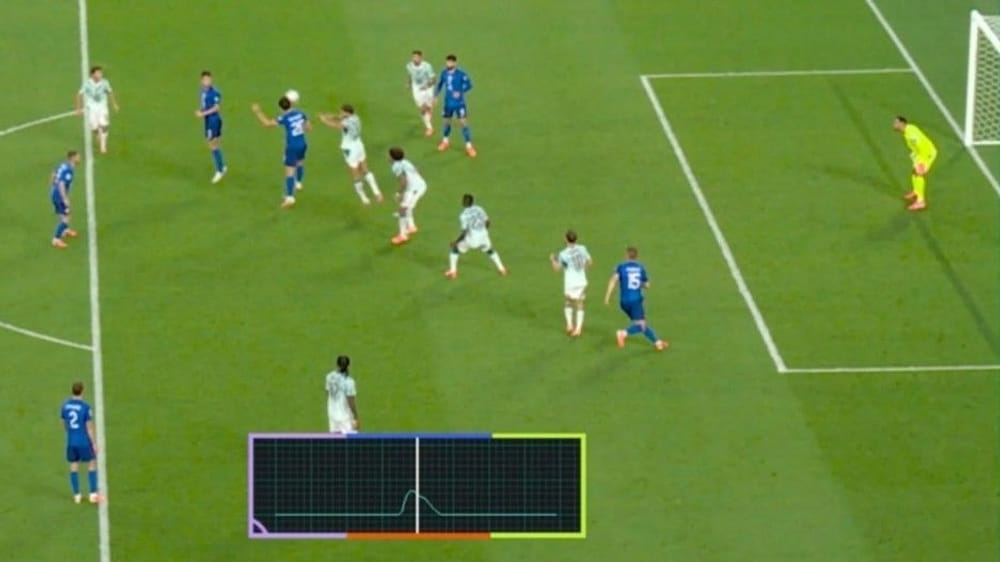
The 18th minute of the match saw a contentious moment when Ivan Perišić, Croatia’s winger, was brought down by French defender Raphael Varane inside the penalty area. The referee, Szymon Marciniak, initially awarded a penalty kick to Croatia, but upon reviewing the footage using the VAR system, he reversed his decision. The VAR team, consisting of officials from the host country, Russia, took a closer look at the footage and deemed that Perišić was not fouled.
The decision was met with widespread criticism from the Croatian camp, with players and coaches alike questioning the accuracy of the VAR system. The French team, on the other hand, celebrated the decision, sensing an opportunity to gain an advantage in the match. The incident sparked heated debates among fans, pundits, and even former players, with some calling for the VAR system to be abolished.
So, what exactly went wrong? Was it a case of human error, or was the VAR system flawed in some way? To understand what transpired, it is essential to examine the technicalities of the VAR system and the role it plays in modern football.
The VAR system is designed to assist the on-field referee in making decisions that are critical to the outcome of a match. The system consists of four key components: the Video Assistant Referee (VAR), the Assistant Video Assistant Referee (AVAR), the Referee Review System (RRS), and the Match Assistant (MA). The VAR team, comprising officials from the host country, reviews footage of a specific incident and provides recommendations to the on-field referee.
In the case of the Perišić incident, the VAR team reviewed the footage and deemed that the foul was not committed. The on-field referee, Szymon Marciniak, then made the decision to reverse the initial penalty award. The question is, did the VAR team get it right?
While the VAR system is designed to be accurate, it is not infallible. Human error can still creep in, and the system is only as good as the people operating it. The Perišić incident highlights the importance of having a clear understanding of the rules and the ability to make quick and accurate decisions in high-pressure situations.
Conclusion
The Perišić incident during the 2018 World Cup Final between France and Croatia serves as a reminder that the VAR system is not perfect. While the system was designed to improve the accuracy of refereeing decisions, it is not immune to human error and can be influenced by external factors. The incident raises important questions about the role of the VAR system in modern football and the need for clear guidelines and training for officials operating the system.
Ultimately, the Perišić incident highlights the importance of having a clear understanding of the rules and the ability to make quick and accurate decisions in high-pressure situations. The VAR system is a tool designed to assist referees, not replace them. As the game of football continues to evolve, it is crucial that the VAR system is refined and fine-tuned to ensure that it provides accurate and consistent decisions in the future.