
Published
- 2 min read
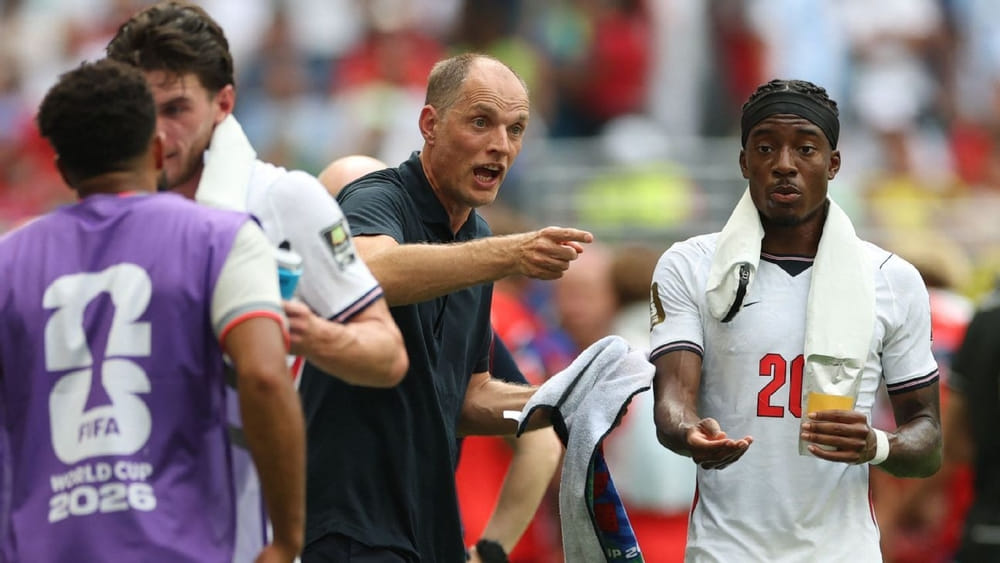
Sources: FIFA, FIFPRO in talks over heat protocol ...
Introduction
Under the relentless glare of the midday sun, modern elite football is pushing the boundaries of human physiology. As governing bodies expand the global football calendar to unprecedented limits, the sport is hurtling toward a climatic reckoning.
According to high-level sources close to the negotiations, FIFA and FIFPRO—the global players’ union—have entered urgent, sensitive discussions to fundamentally overhaul the game’s extreme heat protocols. Driven by the looming specter of the expanded 32-team FIFA Club World Cup in the United States in 2025, followed immediately by the mammoth 48-team FIFA World Cup in 2026 across North America, the two organizations are attempting to draft a legally binding, scientifically rigorous framework to protect players from thermal strain.
The current guidelines, which rely heavily on discretionary cooling breaks determined by match officials, are increasingly viewed by medical experts and players’ representatives as archaic. As summers grow hotter and tactical systems demand relentless, high-intensity output, the stage is set for a systemic transformation in how the world’s game is scheduled, played, and regulated.
The Physiological and Tactical Breaking Point
Modern football is defined by its physical intensity. The transition from low-block defensive structures to aggressive, high-pressing systems—pioneered by tactical schools like Germany’s Gegenpressing—demands that players execute repeated High-Intensity Efforts (HIE) and rapid transitions. In temperate conditions, a central box-to-box midfielder or an overlapping wing-back can comfortably cover 11 to 13 kilometers per match.
However, when ambient temperatures climb and humidity rises, the