
Published
- 2 min read
Sources: EuroLeague members reject NBA offer to merge...
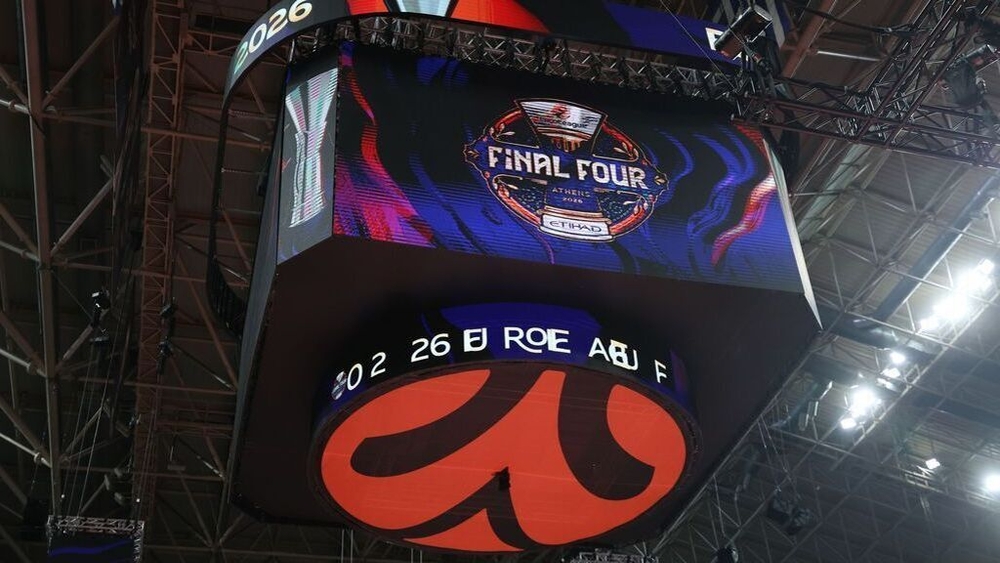
Sources: EuroLeague members reject NBA offer to merge into NBA Europe
Overview of the Decision
Reports indicate that EuroLeague member clubs have collectively rejected a significant proposal from the NBA. The offer, which aimed to merge the top European basketball competition into a new ‘NBA Europe’ division, will not proceed. This decision ensures EuroLeague’s continued independence as Europe’s premier basketball competition.
Key Stats & Facts Surrounding the Offer
- Proposal Timeline: Discussions have reportedly spanned several months, intensifying over the past quarter.
- NBA Vision: The NBA’s offer reportedly included significant financial investment and shared governance in a new European league structure.
- EuroLeague Valuation: The current EuroLeague market valuation is estimated to be in the hundreds of millions, with increasing broadcast and sponsorship revenues.
- Team Consensus: While specific voting results are not public, sources suggest a strong consensus among EuroLeague’s A-licensed clubs to maintain existing structures.
- Revenue Sharing: A major point of contention was reported to be the distribution of future revenues and control over commercial rights.
Key Figures & Teams in Focus
The decision impacts several prominent figures and organizations across European basketball. Team presidents and ownership groups, particularly from powerhouses like Real Madrid, FC Barcelona, Olympiacos Piraeus, and Fenerbahçe Beko, played crucial roles in evaluating the proposal. Star players such as Shane Larkin (Anadolu Efes) and Nikola Mirotic (Olimpia Milano) represent the elite talent pool that would have been affected by a potential merger, with implications for their career paths and competitive environments. Their feedback, directly or indirectly, often influences club decisions.
Standings & Future Impact
The rejection signifies EuroLeague’s commitment to its current model and independent growth strategy. This maintains the competitive landscape within Europe, preventing a direct integration into the NBA’s global structure.
- EuroLeague Future: The league is now poised to continue developing its brand, broadcast deals, and fan base under its own governance. Opportunities for expansion and enhanced commercial agreements within Europe remain a priority.
- NBA Strategy: The NBA may now explore alternative avenues for European expansion, potentially through partnerships or continued efforts to establish smaller-scale operations. Direct competition for talent and market share will persist.
- Player Movement: Player movement between Europe and the NBA will continue under existing transfer regulations, without the immediate creation of an ‘NBA Europe’ pathway.
- Financial Implications: EuroLeague clubs will continue to pursue their independent financial growth, relying on existing revenue streams and potential new partnerships. The significant capital injection envisioned by the NBA’s offer will not materialize at this time.