
Published
- 2 min read
Seattle World Cup festivities generated $889M,...
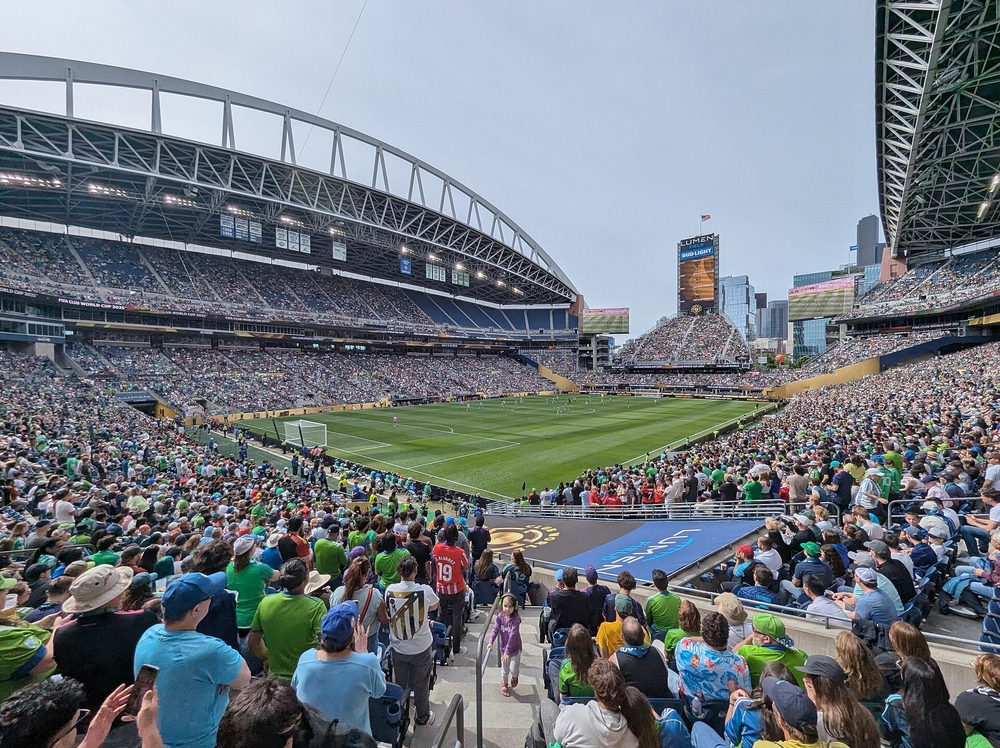
Match Overview
Seattle’s preparations for the FIFA World Cup 2026 have delivered a massive financial victory, with local festivities and tourism projections generating an estimated $889 million in economic activity. This updated figure, reported by KOMO, dwarfs original conservative estimates by hundreds of millions of dollars. The surge establishes Seattle as a premier beneficiary of the upcoming global tournament.
The massive financial upgrade is driven by increased travel demands, extended visitor stays, and heightened international interest in the Pacific Northwest. Lumen Field’s selection as a key venue has catalyzed regional infrastructure investments that are already yielding returns.
Key Stats & Facts
- $889 Million: The newly projected economic impact for Seattle and the King County region, rising significantly from early estimates of $250 million.
- 6 Matches: The total number of FIFA World Cup 2026 matches allocated to Lumen Field, including the highly anticipated USMNT group stage match on June 19, 2026.
- Over 10,000: Estimated number of temporary and permanent jobs supported by stadium upgrades, tourism, and event operations.
- $120 Million: Anticipated state and local tax revenue generated directly from tournament-related spending.
- 750,000+: Expected number of out-of-state and international visitors arriving in Seattle during the tournament window.
Player Spotlight & Standings Impact
Executive Spotlight: Peter Tomozawa
Seattle FW26 CEO Peter Tomozawa has been the driving force behind securing these commercial partnerships and maximizing local engagement. Under his leadership, Seattle has secured key sponsorships and infrastructure upgrades, turning a month-long sports tournament into a long-term regional economic engine. Tomozawa’s strategic planning has successfully leveraged Seattle’s tech and transit sectors to accommodate the influx of global fans.
Host City Standings Impact
This financial windfall catapults Seattle into the upper echelon of the 16 North American host cities. Outperforming early revenue projections places the Emerald City on par with traditional major sports markets like New York/New Jersey and Los Angeles in terms of return on investment (ROI). Seattle’s strong performance positions the city as a prime candidate for future major international sporting events.