
Published
- 3 min read
Infantino’s World Cup sell-off debacle has rocked...
Match Overview
Gianni Infantino’s aggressive expansion of the FIFA calendar, highlighted by the controversial 32-team Club World Cup, has triggered an unprecedented civil war in global football. Domestic leagues and player unions (FIFPRO) have launched legal actions against FIFA, accusing the governing body of abusing its dominant position and over-saturating the match calendar. This institutional crisis mirrors historical governance failures, exposing deep-rooted systemic issues within FIFA’s financial and decision-making structures.
The clash centers on FIFA’s attempt to monopolize the summer calendar, directly threatening the commercial viability of domestic leagues and player welfare. While FIFA positions these expanded tournaments as global development initiatives, critics argue they are desperate cash grabs designed to centralize commercial power in Zurich.
Key Stats & Facts
- 32: The number of teams scheduled to compete in the inaugural, expanded FIFA Club World Cup in the United States.
- $25 Billion: The valuation of the aborted 2018 Saudi-backed offer for a revamped Club World Cup and a global Nations League, which initiated the current crisis.
- 86%: Percentage of elite players surveyed by FIFPRO who support a mandatory break of at least 14 days to prevent physical burnout.
- 80+: The maximum number of matches an elite player could face in a single season under the new expanded FIFA and UEFA tournament formats.
- $4 Billion: FIFA’s initial targeted revenue for the 2025 Club World Cup, a figure currently undermined by broadcast rights and sponsorship shortfalls.
- 211: The number of member associations in FIFA, where the “one member, one vote” system allows Infantino to maintain political control regardless of European opposition.
Player Spotlight
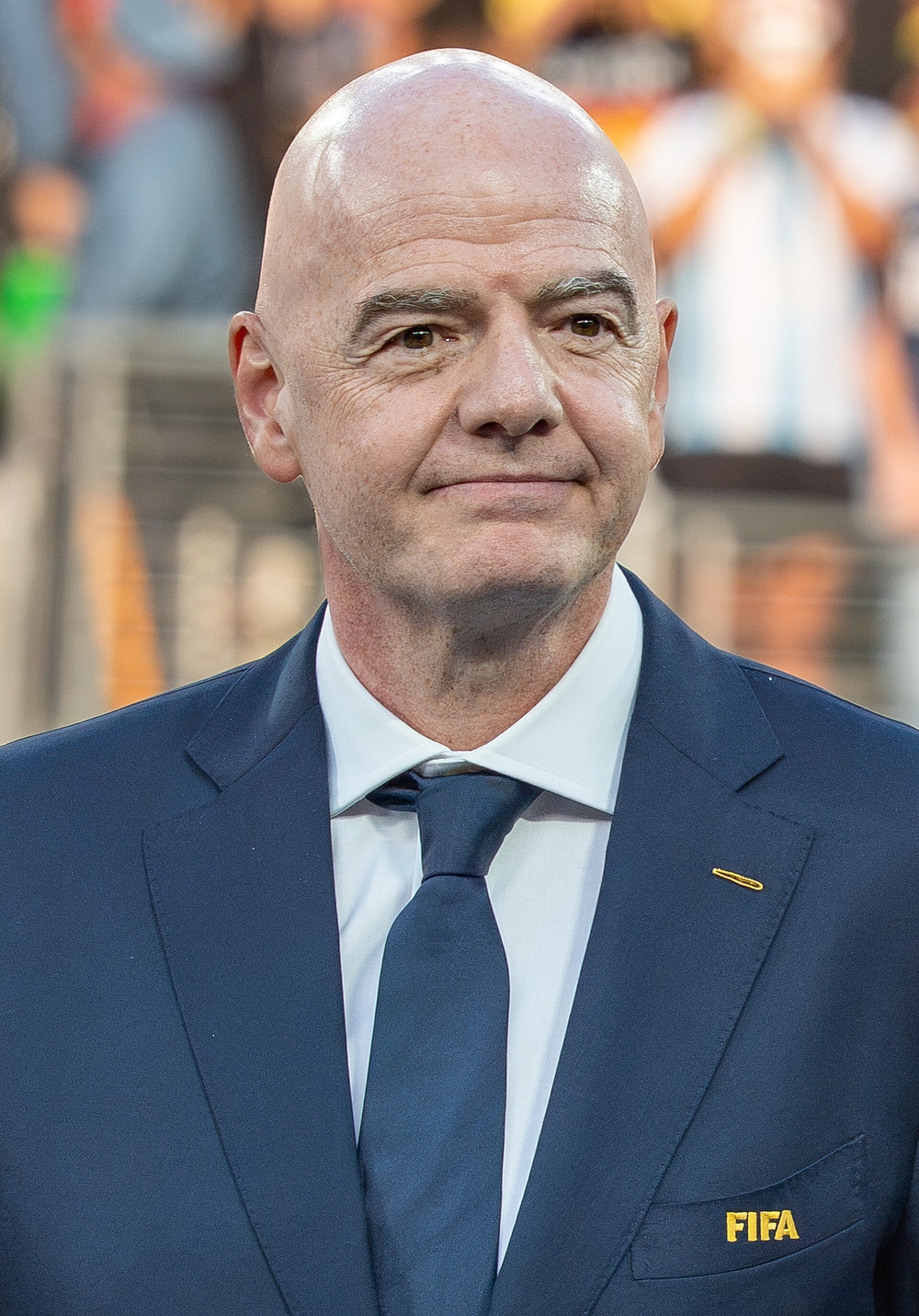
Gianni Infantino (FIFA President)
Elected in 2016 on a reform platform following the Sepp Blatter corruption scandal, Infantino has instead centralized executive power. Under his leadership, FIFA has aggressively pursued commercial expansion, including the aborted biennial World Cup proposal and the expanded 2026 World Cup (48 teams).
Despite fierce opposition from UEFA and domestic leagues, Infantino’s political base remains secure. By distributing FIFA’s vast revenues equally among all 211 member nations, he ensures uncontested political support, recently securing re-election unopposed through 2027.
Standings Impact
The ongoing legal battles have fractured the traditional hierarchy of global football governance. The filing of official complaints with the European Commission by European Leagues and FIFPRO represents a direct threat to FIFA’s unilateral control over the international match calendar.
If the courts rule against FIFA, the governing body could lose its regulatory monopoly. This would shift the balance of power toward domestic leagues and player unions, potentially forcing a collective bargaining agreement model similar to North American franchise sports.