
Published
- 2 min read
Infantino open to FIFA governance review, reforms after backlash
Match Overview
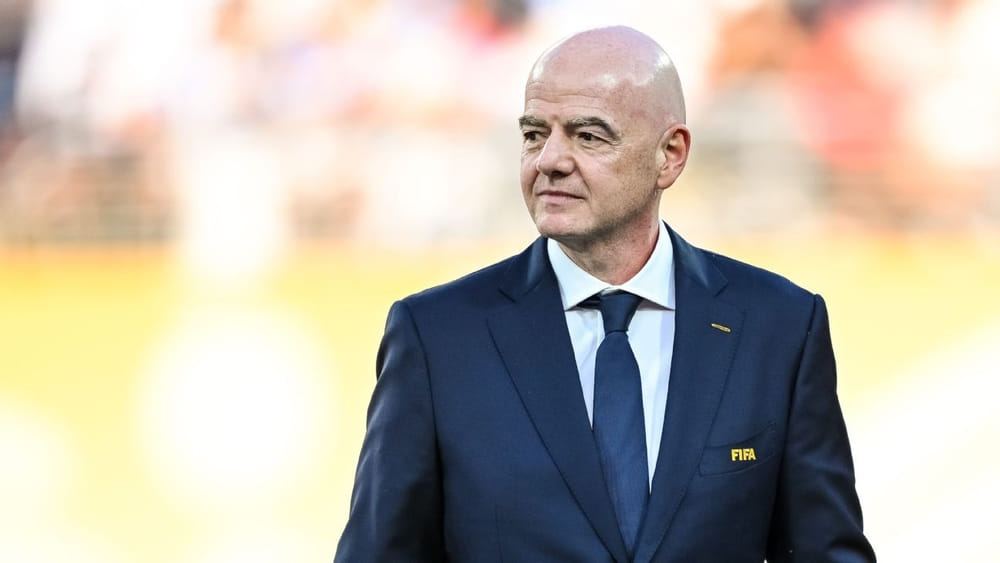
FIFA President Gianni Infantino has signaled an openness to reviewing the governing body’s decision-making processes following intense backlash from domestic leagues and player unions. The concession comes after a formal legal complaint was filed with European antitrust regulators challenging FIFA’s unilateral expansion of the match calendar. Infantino’s shift in tone represents a strategic pivot as the threat of player strikes and antitrust litigation compromises the launch of FIFA’s new flagship tournaments.
The core of the dispute centers on the newly expanded 32-team FIFA Club World Cup, scheduled for summer 2025. Member leagues and FIFPRO argue that FIFA has abused its dual role as a regulator and tournament organizer to maximize its own commercial revenues at the expense of player welfare. Infantino’s willingness to discuss governance reforms marks the first major fracture in FIFA’s previously unyielding stance on calendar expansion.
Key Stats & Facts
- 32: The number of clubs participating in the revamped 2025 FIFA Club World Cup, a significant increase from the previous seven-team format.
- 63: Total matches scheduled for the tournament in the United States, running from June 15 to July 13, 2025.
- 80+: The maximum number of matches an elite player could face per season under the new calendar, compared to the FIFPRO-recommended safety limit of 55.
- $11 Billion: FIFA’s projected revenue target for the 2023-2026 cycle, which relies heavily on the commercial success of the expanded Club World Cup and the 48-team 2026 World Cup.
- 1: Formal antitrust complaint submitted to the European Commission on October 14, 2024, by FIFPRO Europe, European Leagues, and LaLiga against FIFA’s calendar decisions.
Player Spotlight & Standings Impact
Player Spotlight: Gianni Infantino & Player Advocates While Infantino remains the political architect attempting to safeguard FIFA’s commercial assets, Manchester City midfielder Rodri became the face of the player rebellion prior to his knee injury. Rodri publicly warned that players were on the verge of going on strike due to extreme physical fatigue. This unprecedented player-led coalition has forced Infantino to offer concessions on governance rather than risk a high-profile boycott of FIFA’s premier summer event.
Standings Impact The power dynamics of global football governance are undergoing a significant shift. FIFA’s historical monopoly on setting the international match calendar has been weakened, elevating the leverage of domestic leagues like the Premier League and LaLiga. Future negotiations over the post-2030 calendar will now likely require a co-determination model, preventing FIFA from unilaterally adding fixtures without the explicit consent of domestic stakeholders and player unions.