
Published
- 3 min read
FIFA World Cup 2026: The Geopolitical Tensions at Play Off the Pitch -...
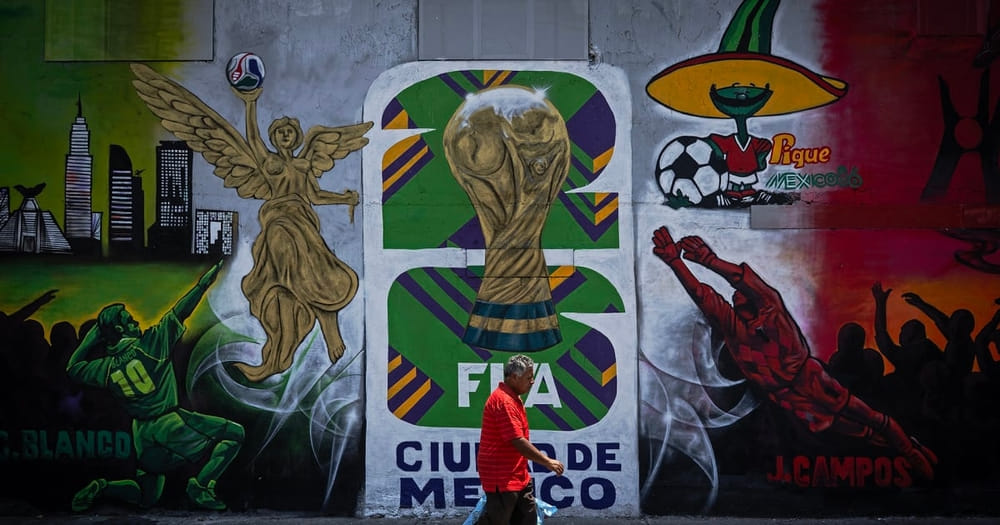
FIFA World Cup 2026: The Geopolitical Tensions at Play Off the Pitch - Council on Foreign Relations
Match Overview
The FIFA World Cup 2026 represents an unprecedented expansion, with the tournament co-hosted by the United States, Mexico, and Canada across 16 cities. However, the off-pitch preparations face severe diplomatic and logistical hurdles, as highlighted by analysis from the Council on Foreign Relations (CFR). Tensions surrounding border security, shifting immigration policies, and trade relations under the USMCA agreement threaten to complicate the movement of millions of fans and 48 national delegations.
Coordinating security, transit, and visa access across three sovereign nations with distinct political climates remains the ultimate administrative challenge. While the tournament aims to showcase North American unity, underlying trade disputes and national security priorities could cause friction during the month-long event.
Key Stats & Facts
- Expanded Format: 48 teams will participate, up from the traditional 32-team format, resulting in a record 104 matches played over 39 days.
- Venue Distribution: 11 stadiums in the United States, 3 in Mexico, and 2 in Canada will host games, with the final scheduled for MetLife Stadium in New Jersey.
- Travel Distances: Teams and fans face extreme transit demands, with maximum travel distances between host cities (e.g., Vancouver to Miami) exceeding 5,400 kilometers.
- Security Costs: Combined security and intelligence budgets across the three host nations are projected to surpass $1 billion to safeguard venues and transit corridors.
- Visa Bottlenecks: Anticipated visa processing delays in the US present a major hurdle, with current wait times for non-visa waiver countries exceeding 400 days in certain consulates.
Player Spotlight & Standings Impact
Player Spotlight: Extreme Environments
Athletes face grueling physical demands due to geographic and climatic disparities across the co-hosts. Players performing in high-altitude venues like Mexico City’s Estadio Azteca (2,240 meters above sea level) must adapt to reduced oxygen levels, while those in southern US cities will battle extreme summer heat. Travel fatigue will be a deciding factor, as teams traversing multiple time zones between matchdays must rely heavily on squad rotation to maintain peak physical output.
Standings Impact: The New Knockout Math
The expansion to 12 groups of four teams dramatically alters the tournament’s competitive math. The top two teams from each group, along with the eight best third-placed finishers, will advance to a newly introduced Round of 32. This format eliminates dead rubbers in the final group games but increases tactical volatility, as goal difference will become the primary metric for third-place survival, rewarding teams that maintain high-intensity attacking play until the final whistle.