
Published
- 3 min read
A mystery no more? How movement tracking could shed...
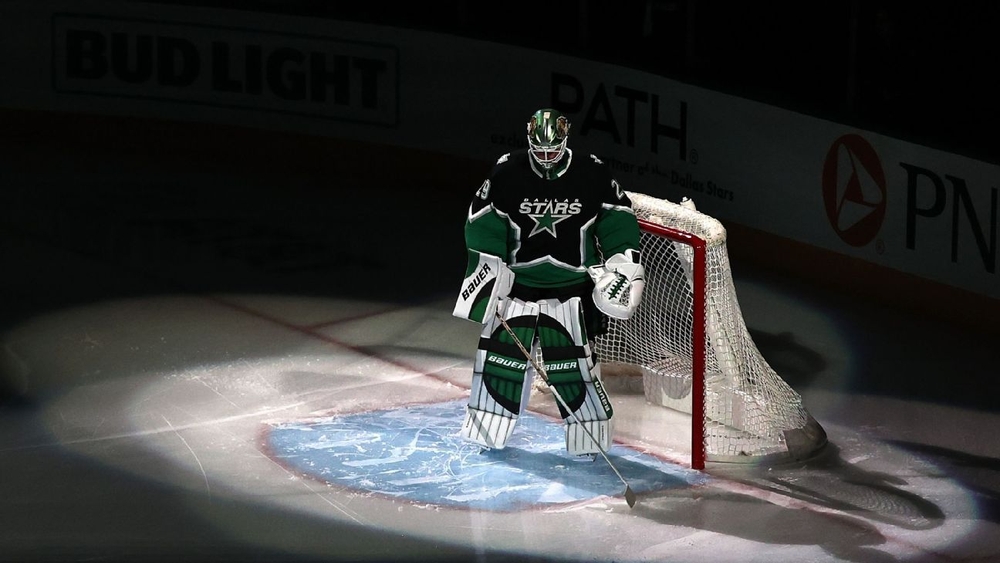
A mystery no more? How movement tracking could shed new light on NHL goaltenders
Match Overview: Beyond the Box Score
Traditional goaltending statistics often fall short in explaining performance intricacies. A goalie’s save percentage, while crucial, doesn’t detail how saves are made or why goals are conceded. Movement tracking systems offer a new lens, capturing every slide, push, and lean, moving beyond binary outcomes to reveal the underlying mechanics.
This technology shifts the focus from simple outcomes to process, offering granular data on goalie actions for every shot faced. It provides context to saves and goals, identifying patterns in movement that lead to success or failure. Such insights are poised to revolutionize how goaltending is analyzed and coached.
Key Stats & Facts: Unlocking Goalie Dynamics
Movement tracking introduces a suite of advanced metrics that quantify a goaltender’s physical play and efficiency. These go far beyond shots faced or goals allowed, providing actionable data for improvement.
- Goaltender Efficiency Index (GEI): Measures distance covered per save made, identifying goalies who are economical in their movements versus those who overexert.
- Lateral Recovery Speed (LRS): Average time taken for a goalie to reset their position after a lateral push, crucial for controlling rebounds and subsequent shots.
- Crease Depth Control (CDC): Quantifies how consistently a goalie maintains optimal depth within their crease relative to puck position, impacting angle play.
- Reaction Time by Shot Location: Pinpoints how quickly a goalie reacts to shots from specific zones (e.g., slot vs. point), highlighting strengths or areas needing practice.
- Post-to-Post Transition Time: Measures the speed and fluidity of movement across the net, critical for defending cross-crease passes.
- Rebound Control Zone (RCZ): Tracks where pucks are directed after saves based on goalie positioning and technique, identifying controlled versus dangerous rebounds.
Player Spotlight: Quantifying Goalie Style
Movement tracking can distinguish between goaltenders with similar save percentages but vastly different styles. It provides objective metrics to back up subjective observations, revealing the true strengths and weaknesses of each netminder.
For example, a “positional” goalie might show a lower GEI, indicating efficient movements and superior angle play. Conversely, an “athletic” goalie might exhibit higher LRS and Post-to-Post Transition Times, showcasing explosive power despite potentially covering more ice. This granular data allows for individualized training plans tailored to specific player profiles.
Standings Impact: Strategic Advantages
The integration of movement tracking data promises significant strategic advantages for NHL teams, impacting everything from player development to trade decisions. More precise analytics can directly translate into improved on-ice performance and more wins.
- Optimized Coaching & Development: Coaches can identify specific mechanical flaws or inefficiencies in a goalie’s game, creating targeted training drills to improve weak areas.
- Enhanced Scouting & Recruitment: Teams can scout goalies based on advanced metrics, identifying undervalued players whose unique movement patterns contribute to success beyond traditional stats.
- In-Game Adjustments: Real-time data could inform coaching decisions, allowing for tactical adjustments based on a goalie’s observed movement fatigue or efficiency fluctuations.
- Injury Prevention: Tracking workload and movement stress can help manage goalie fatigue, potentially reducing injury risk throughout a demanding season.
- Competitive Edge: Teams leveraging this data effectively gain a deeper understanding of their own goalies and opponents, leading to more informed strategic planning and a tangible edge in the standings.